
Interfaces and Interactions for Collaborative Decision Making for Dementia Diagnosis
This project develops a platform for Consensus Diagnosis in dementia research: from concept to minimal viable product, with User Experience considerations for non-technical users.
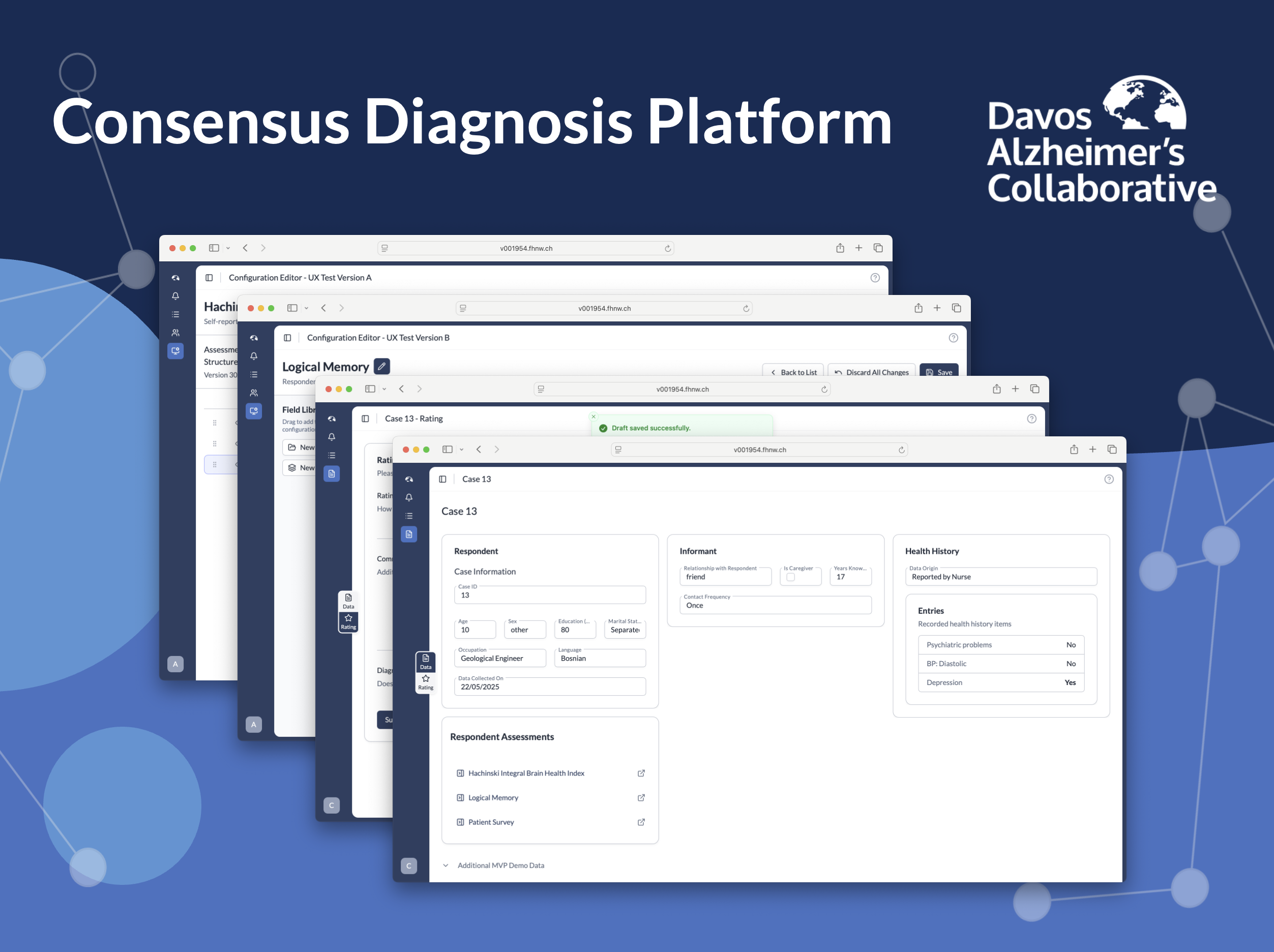
Initial situation
Alzheimer's research has historically focused on white Western populations, limiting
understanding and slowing progress in diagnosis and treatment for the majority of the global
population.
The Davos Alzheimer's Collaborative (DAC) is working to close this gap through studies in
low- and middle-income countries. One such study is underway in India, where patients
undergoing eye surgery are assessed through cognitive testing and dementia risk screenings.
The goal is to assign a clinical diagnosis – healthy, mild cognitive impairment, or
Alzheimer's disease – based on multi-source data.
The process used by DAC researchers to reach a diagnosis is known as
Consensus Diagnosis, which makes use of ratings of multiple independent
experts, who review the provided data, and come to a conclusion. If no agreement is reached,
the experts discuss the case until a definite diagnosis is made. Consensus Diagnosis is
especially useful in the diagnosis of diseases without definite biomarkers or other clear
tests, such as dementia.
A
previous project (IP5)
developed a validated design-prototype for a diagnostic interface. This includes a
streamlined workflow for clinicians and a web-based proof-of-concept for displaying diverse
clinical data (e.g., structured forms, PDF files, and images).
Problem statement / Project goal
The aim of this project is to take the concept developed in the
IP5 and
implement its core components as a usable full-stack application. This provides a solid
foundation for further development while enabling our clients and future users to give
early feedback, thus reducing adoption risks.
The implementation includes a proposed integration with the DAC database to display
realistic clinical data for diagnostic review. In addition, the interface is extended to
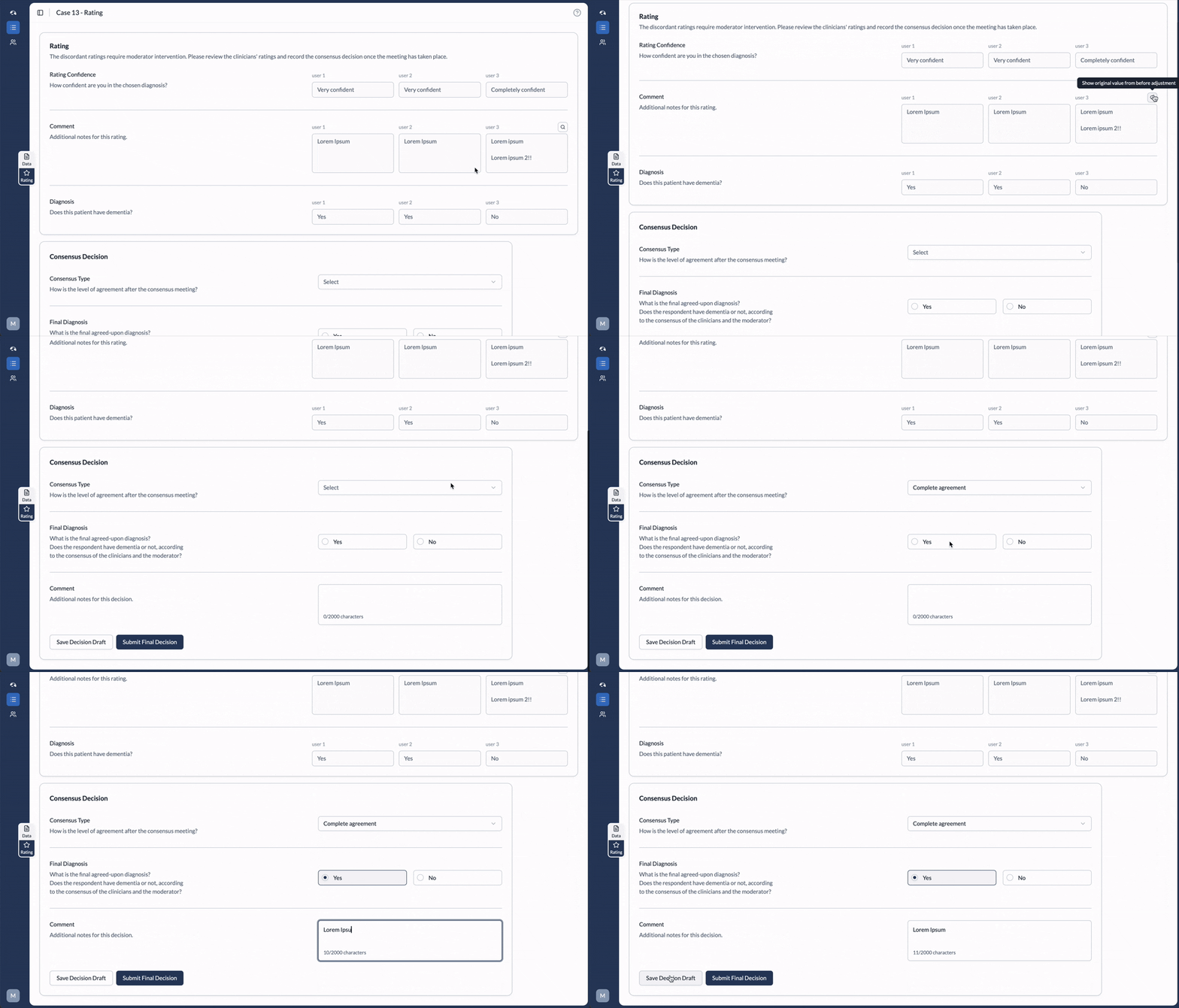
support structured and unbiased discussions in cases of disagreement, enabling a
transparent consensus-building process. The overall goal is to deliver a functional,
connected platform that supports both independent assessments and collaborative
decision-making.
Alongside this, a usability study is conducted for a configuration editor used to manage
and configure complex data structures within the platform. This includes adapting to
differences in assessment formats across study locations and restructuring data that may
not be presented in a clinically intuitive way, allowing administrators to manually
reconfigure it within the platform. As the user experience of this editor is not closely
coupled to the domain of the platform, research and user testing can be done without
being constrained to the medical domain and can take inspiration from existing tools
like no- or low-code editors.
Implementation - Online Consensus Diagnosis Platform
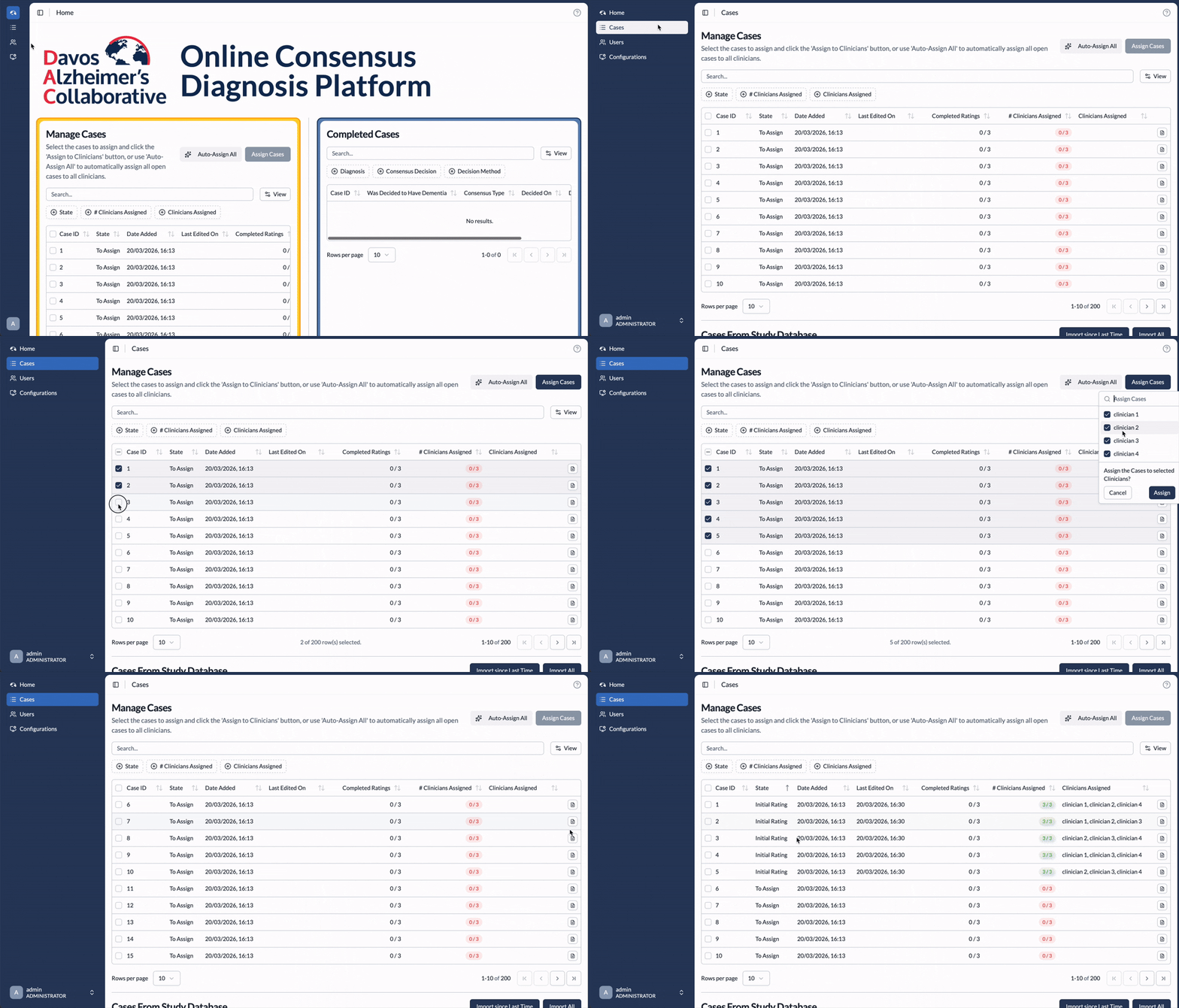
Administrator Assigning Cases
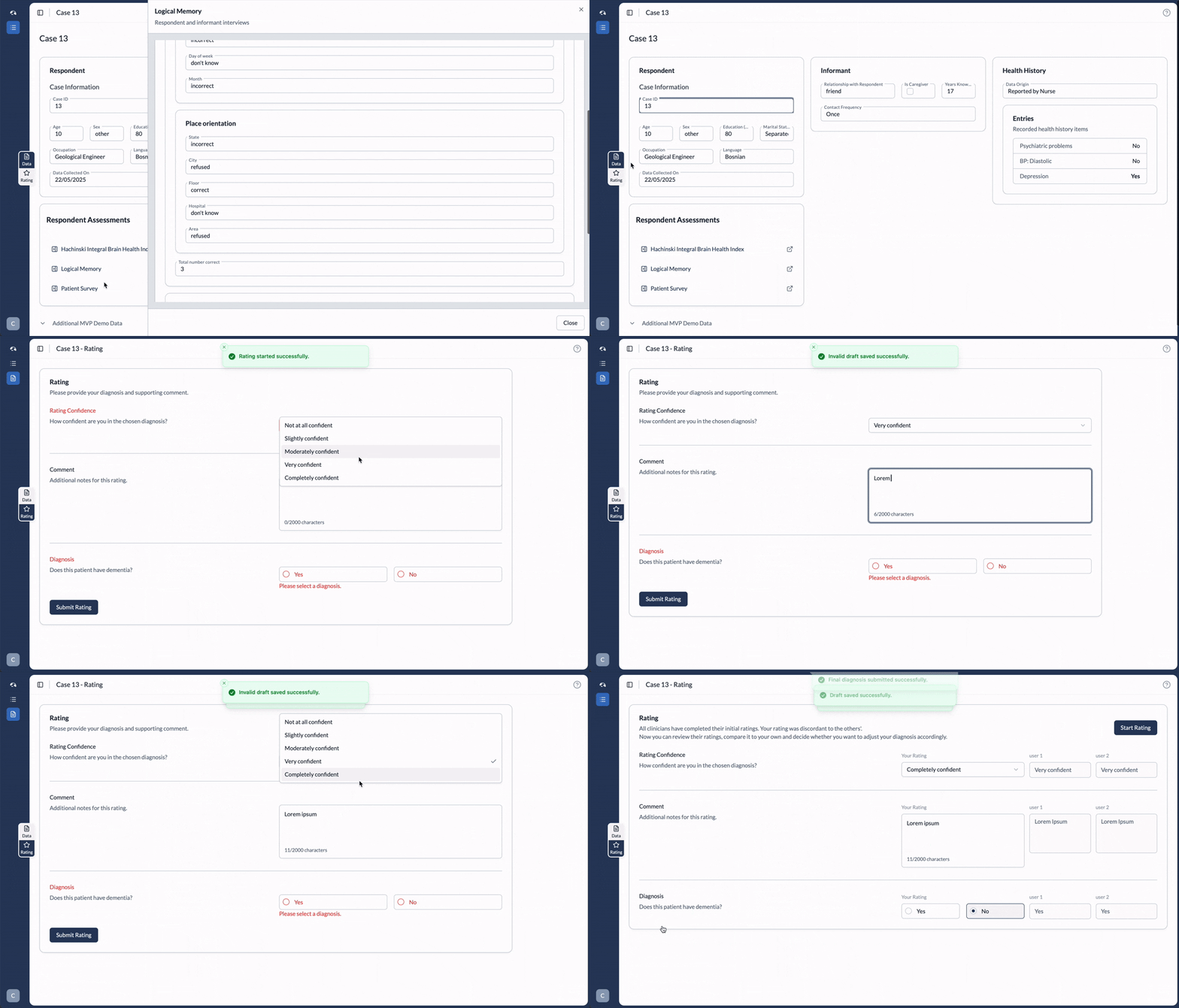
Clinician Rating Case
Moderator Reviewing Discordant Case
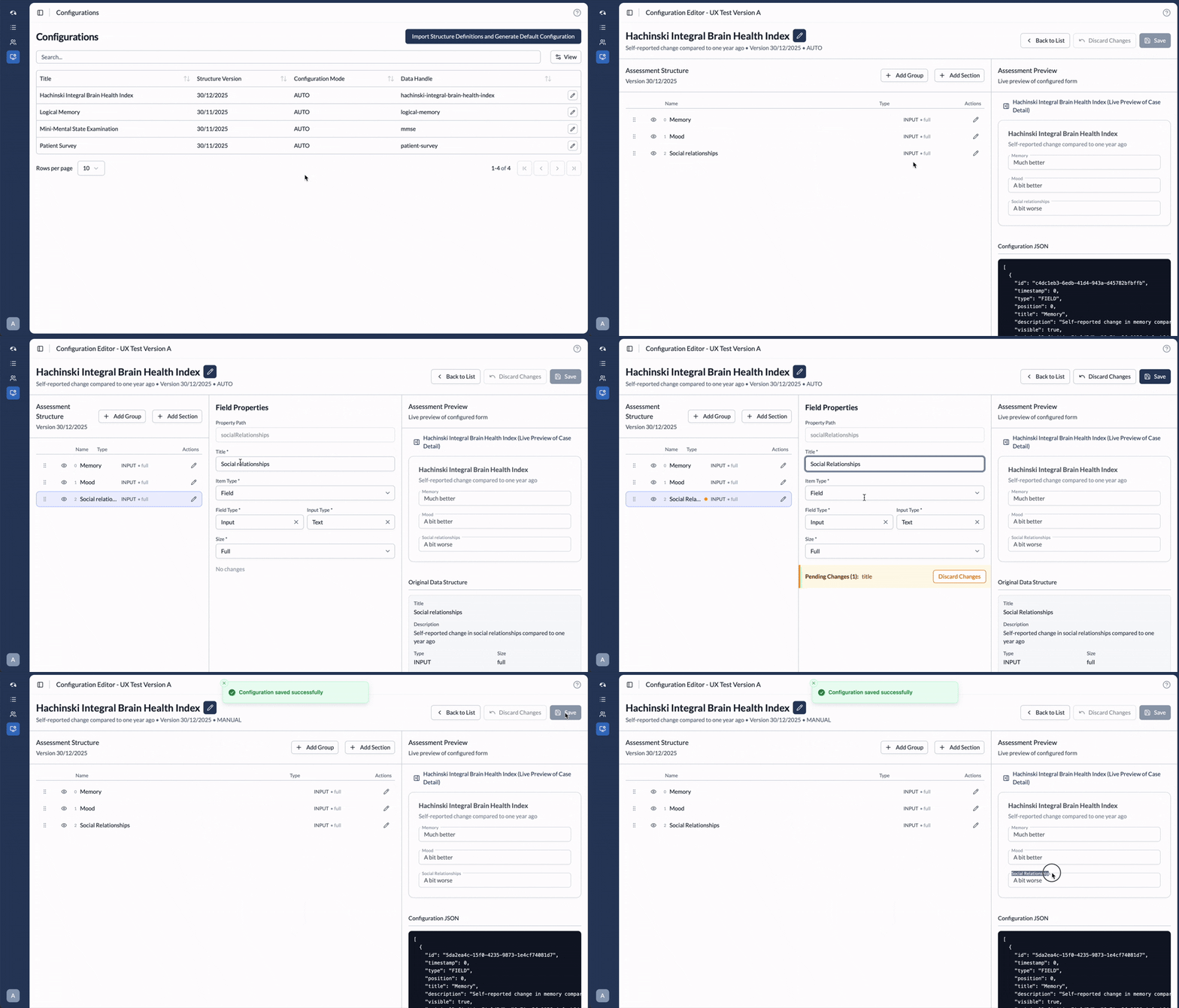
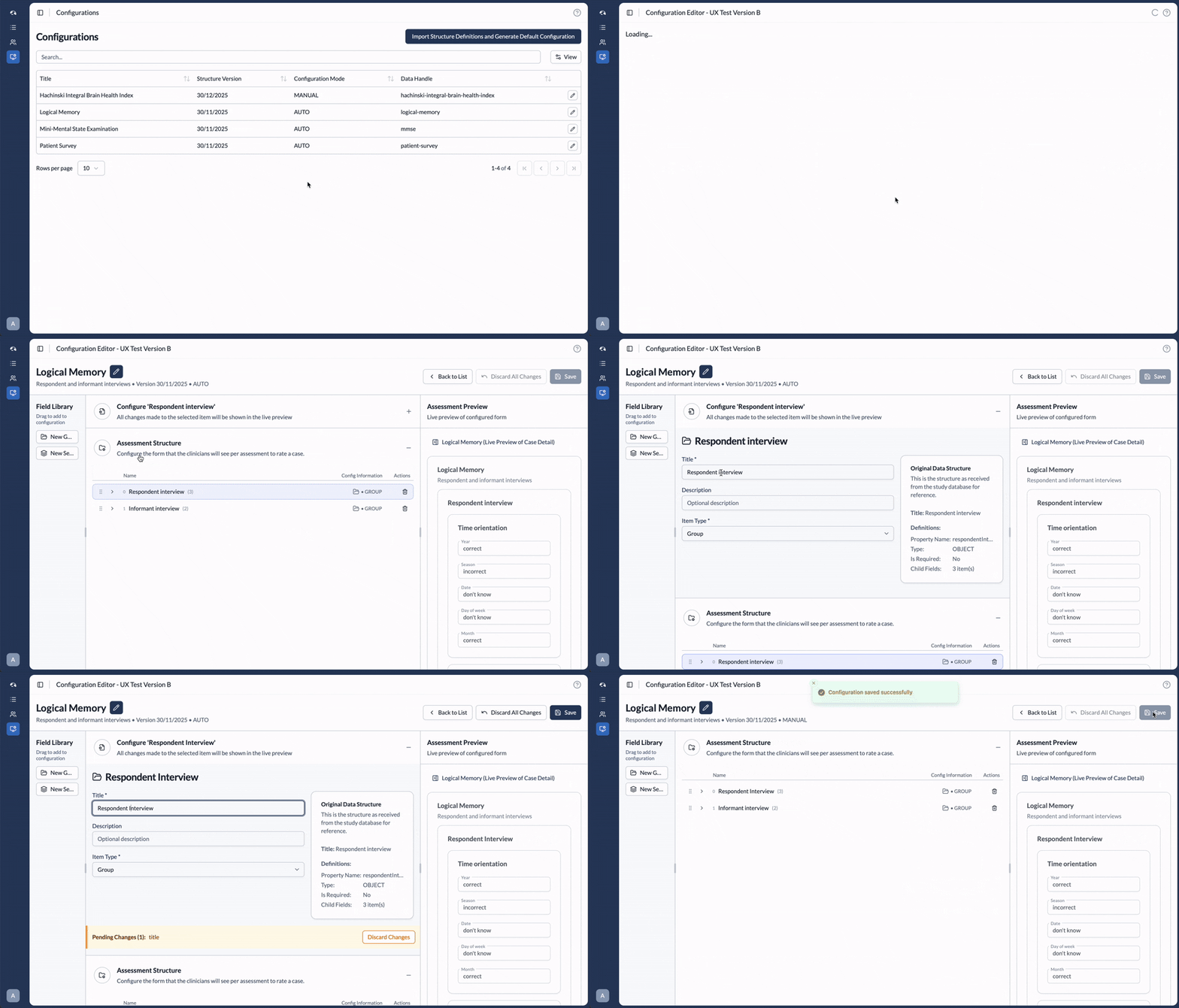
UX Research - Configuration Editor
Version A
Version B
Solution developed and its benefits
Implementation
The developed application fully covers the core workflows of the conceptualized online
Consensus Diagnosis Platform. It provides role-based access for administrators, moderators
and clinicians, and allows them to view and rate each case as their permissions allow.
The platform combines a modern frontend framework (React & TypeScript) with a Java Spring
Boot backend and a PostgreSQL database to create a complete web application. Additionally, a
dedicated external API for future integrations with real study databases was designed and
implemented. The generic approach followed in this design allows for the tools to be used by
multiple cohorts with only small developer interference needed, should the structure of the
assessments per study location change.
UX Research
To further allow the platform to stand on its own, the User Experience Research direction
was chosen to target the customizable configuration of the assessment data structure. After
an initial concept-phase, two versions of such a configuration editor were implemented and A
/ B tested with several non-technical users that provided valuable feedback. Bugs were then
fixed in the final integration into the platform, as well as a further concept proposed for
the optimal solution to this complex topic.
Having this component within the platform will allow administrators to react to any changes
to the data model in the study database – and therefore makes the adoption of the tool to
other cohort studies easy.
Further Research
Due to current emergent technologies and little budget on DAC’s side, Artificial Intelligence tool integration is incredibly interesting in this dementia research context. For this reason, additional considerations, along with drawbacks and benefits, have been made into how such an integration might look like for the Consensus Diagnosis Platform, such as providing an AI that can look at the case data and act as an additional clinician in the entire diagnosis process.
Conclusion
This project has further proven the feasibility of adopting the use of an online Consensus
Diagnosis Platform in DAC’s ecosystem.
Because the necessary infrastructure was not ready during this project, no integrations to
production systems (such as a real study database or authentication management) were done.
Despite this limitation, the focus on extensibility and modularity during the development
will allow a seamless adoption across DAC’s diverse research cohorts.
The application will be further developed in collaboration with the IIT at FHNW, building
upon a solid and modern basis.
Key Terms
- Dementia A group of conditions causing progressive decline in memory, thinking, and daily functioning.
- Consensus Diagnosis A clinical decision agreed upon by multiple healthcare professionals after reviewing all relevant data.
- User Experience The overall feeling, ease, and satisfaction a person has when interacting with a product or service.
- Full-Stack Application This project combines a modern frontend framework (React & TypeScript) with a Java Spring Boot backend and a PostgreSQL database to create a complete web application.
- Usability Testing A method to evaluate a product by testing it with representative users to identify usability issues and improve user experience.
Clients

Davos Alzheimer’s Collaborative (DAC)
a global partnership of like-minded organizations that is mobilizing the world against
Alzheimer’s disease
Dr. Irene Meier, Dr. Vaibhav Narayan
https://www.davosalzheimerscollaborative.org
Team
Meredit Sommer
Nadine Zbinden
Advisors
Prof. Dr. Arzu Çöltekin
Dr. Laura Fontanesi