
Power Tower Challenge
An interactive tower-building activity that helps users understand how their choices influence Switzerland’s sustainable future.
Initial Situation
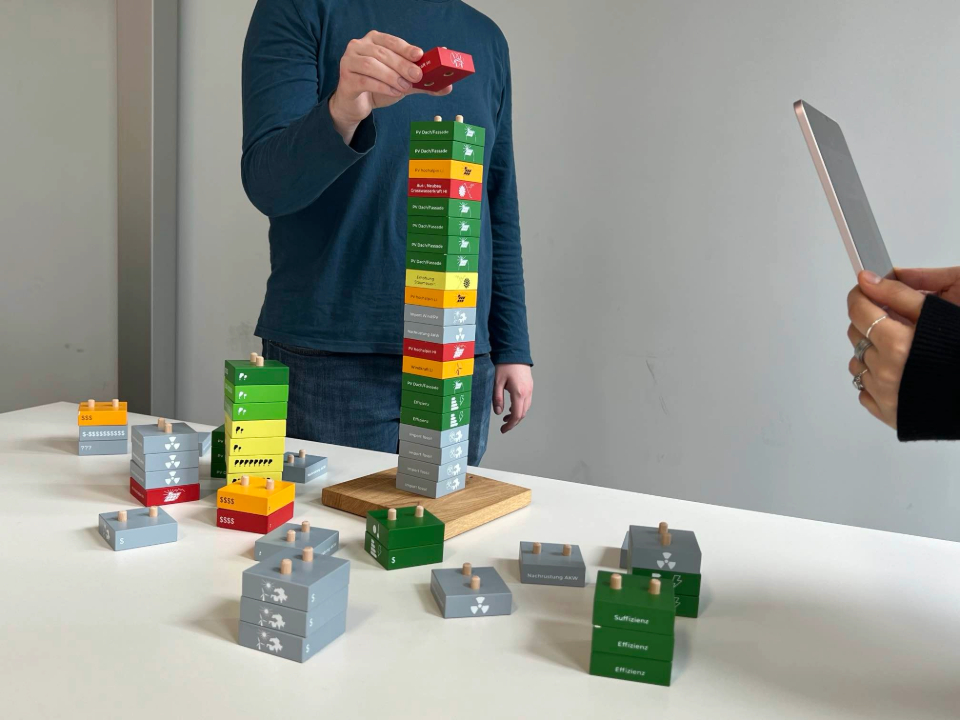
Switzerland is preparing for a new energy future. To reach its goals by 2035, the country needs to use energy in a way that protects the climate, supports the economy, and saves nature. For this to happen, people need to better understand how their energy choices can make a difference. However, many people in Switzerland, including students, teachers, and professionals, do not have easy ways to learn about these important topics. To help with this, WWF created the Power Tower Challenge, a physical game where players build a tower with 22 blocks that represents Switzerland’s expected electricity demand in 2035. Each block in the tower stands for one terawatt hour of electricity. The game is fun and hands-on, but it does not offer enough guidance or feedback to help players really understand their energy choices.
Project Goal
The goal of this project was to create a web application that scans a player’s tower, evaluates it using different strategies, and provides instant feedback. The app also explains the rules and goal of the game, so users can play and learn independently. Through interactive quizzes and clear insights, it helps users understand the impact of their energy choices and encourages them to explore sustainable solutions. Additionally, a glossary allows users to explore all available building blocks and learn more about their individual costs and effects.
Introduction
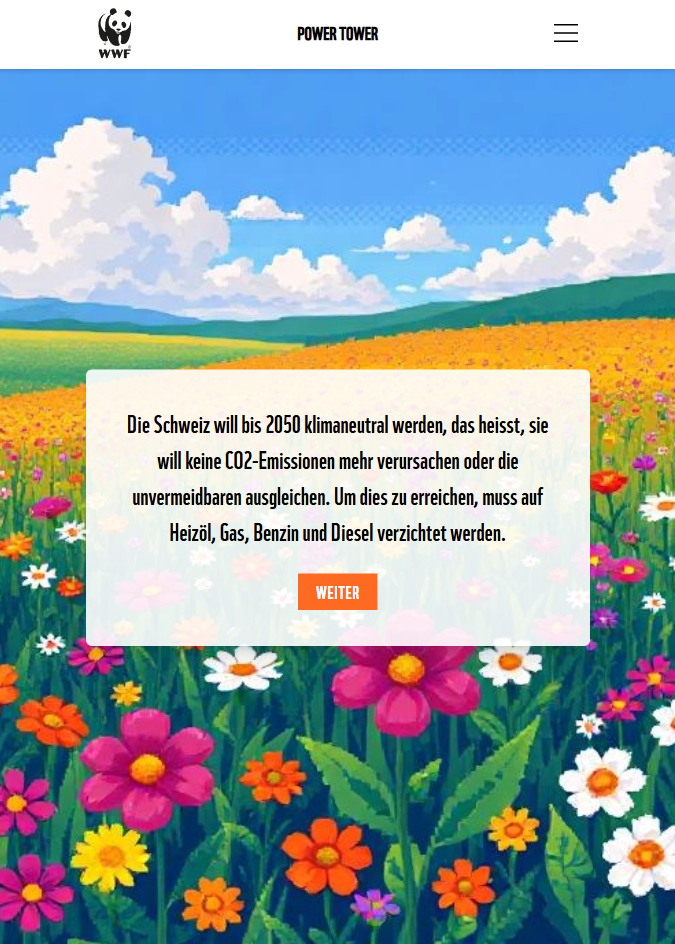
Players receive a brief introduction to the topic of energy consumption and are guided through the objective of the game at the beginning.
Building Blocks
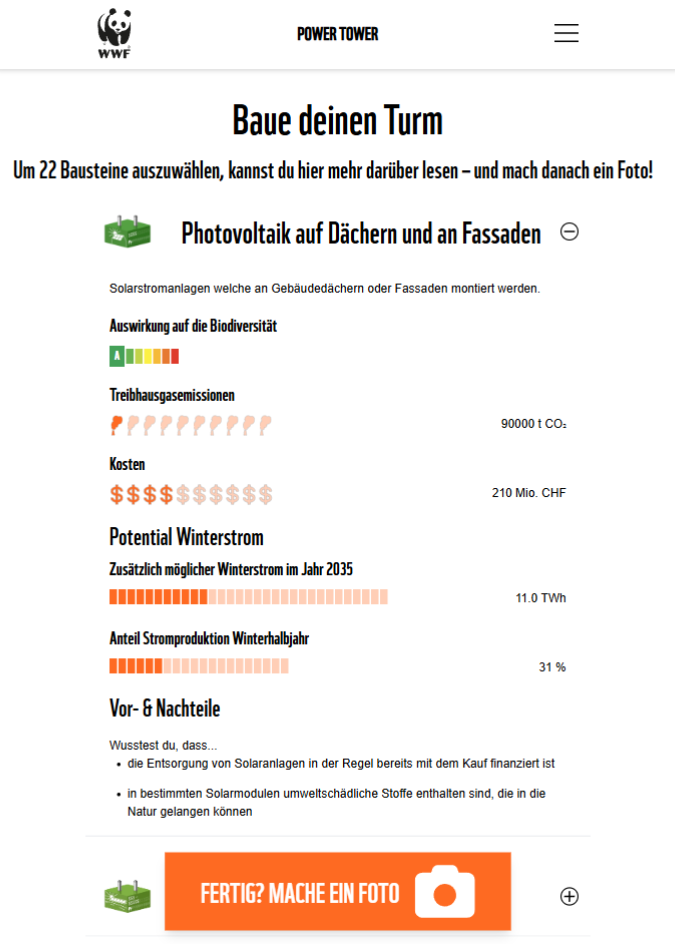
In the Building Blocks section, users can explore each block and access detailed information on its cost and impact on biodiversity.
Scan Your Tower
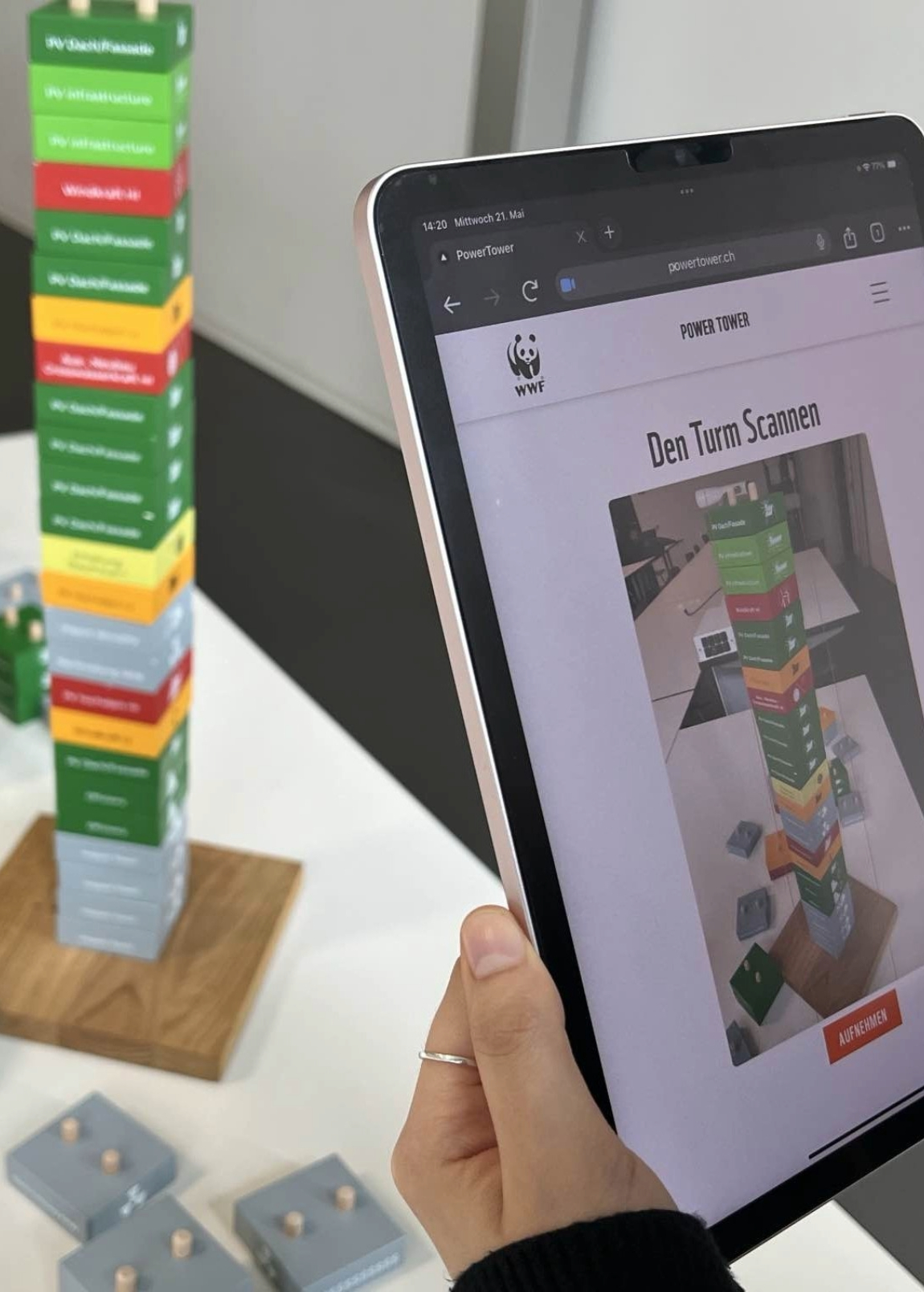
Players can scan their tower by taking a photo of it directly through the website using their device.
Review Your Tower
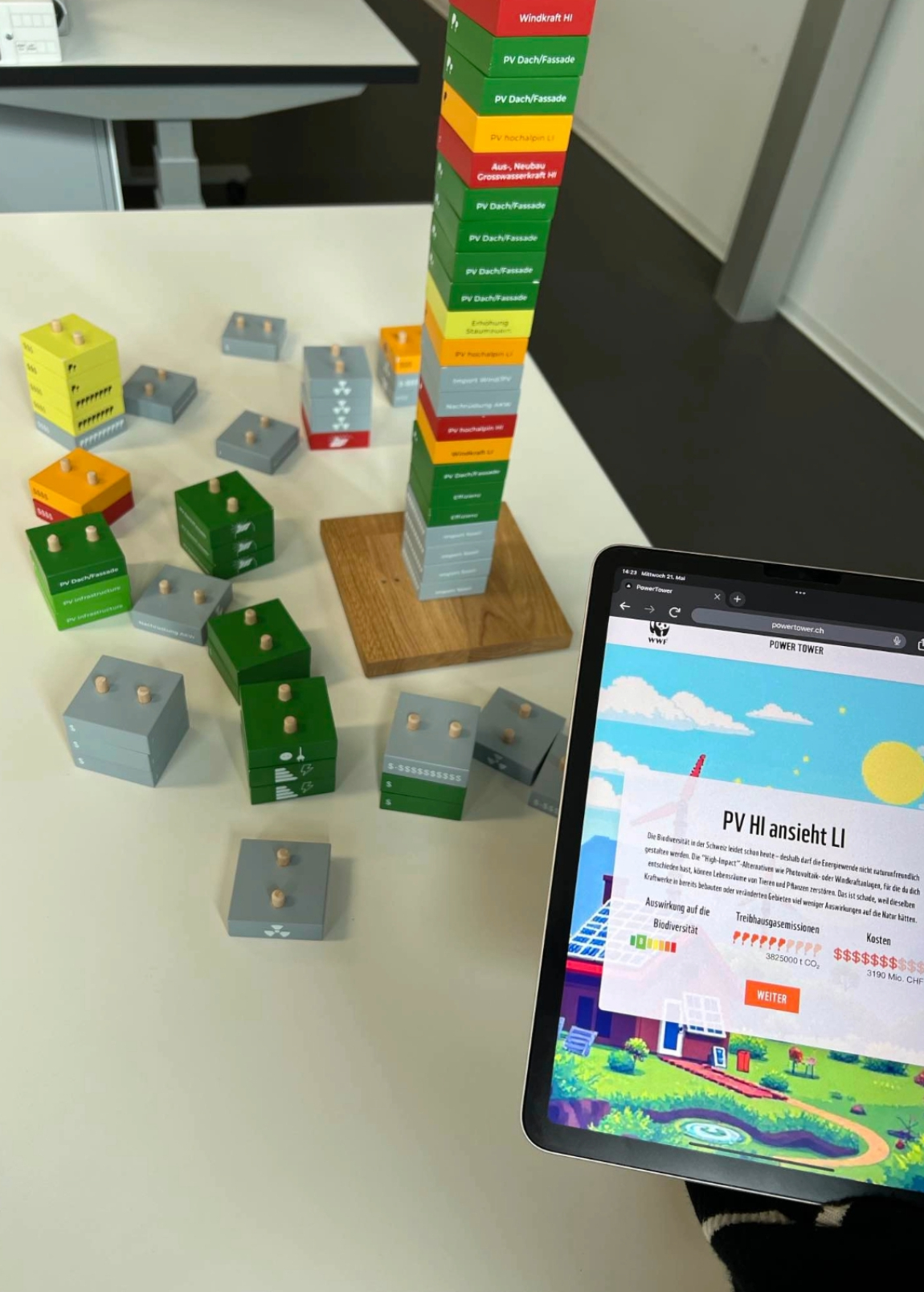
After scanning, players receive instant feedback on the sustainability and efficiency of their tower based on evaluation strategies.
Developed Solution and its benefit
The Power Tower web application was developed to support and improve the physical game by making energy education more accessible and engaging. While the original game encourages players to think about Switzerland’s future electricity use, it relies on outside explanation and expert feedback. Our solution solves this by allowing users to scan their physical towers through the website, which then analyzes the structure using defined strategies. The app provides instant feedback on sustainability and biodiversity impact, helping users reflect on their choices. Interactive quizzes further support learning, making the experience informative, self-guided, and fun.
The key features include:
- A short introduction to the game
- An overview of all the building blocks
- A scanning function to scan and analyse the physical tower
- Evaluation on the tower based on strategies, where the tower is compared with extreme examples, such as the most expensive tower. If the tower matches an extreme example by at least 80%, the user receives the same feedback as that extreme example
- There is a multiple-choice question after the feedback
- A summary of the frequently asked questions (FAQs)
The final product is available at: powertower.ch
Testimonial
«It was a great pleasure to work with the Power Tower team. With each sprint, our co-operation became more efficient, more productive and even more fun. The team was always open to input and immediately developed pragmatic solutions to realise ideas. Changes in priorities or new requirements on our part were also quickly recognised and taken into account. The transdisciplinary collaboration was particularly exciting - especially in the last sprints, we were very impressed by the team's progress and the realisation of our ideas. We were particularly pleased that the team actively contributed their own suggestions without having to wait for us to initiate them. This proactivity and creativity made the collaboration a real success.»
Leandro De Angelis and Zoé Hammer
Key terms
- UI/UX ToolFigma
- Programming languagesJavaScript, TypeScript, HTML, CSS, Python
- Frontend StackNext.js, Tailwind CSS
- Backend StackNext.js
- DatabasePostgreSQL
- Deployment PlatformSWITCHEngine, Digital Ocean
Customer

WWF Schweiz
Leandro De Angelis, Zoé Hammer
Hohlstrasse 110
Postfach
8004 Zürich
wwf.ch
Team
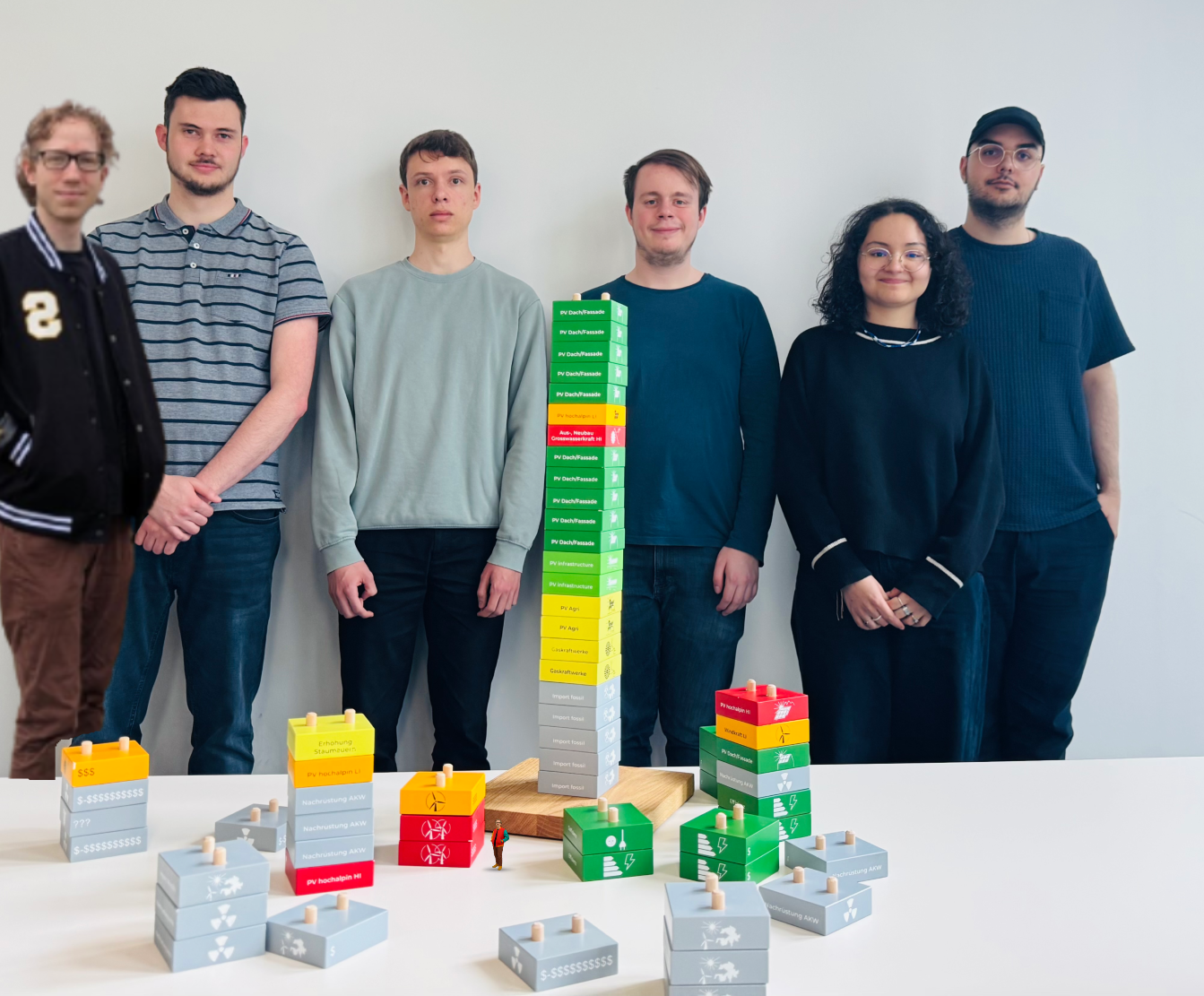
Team
Eric Brukner
Florin Zuberbühler
Maik Degen
Merlin van der Kolk
Michelle Rickenmann
Sandro Regli
Coach
Gabriela Von Wyl