
Scafalle
Where Young Makers Create — and Researchers Discover How Learning Happens and How to Support It
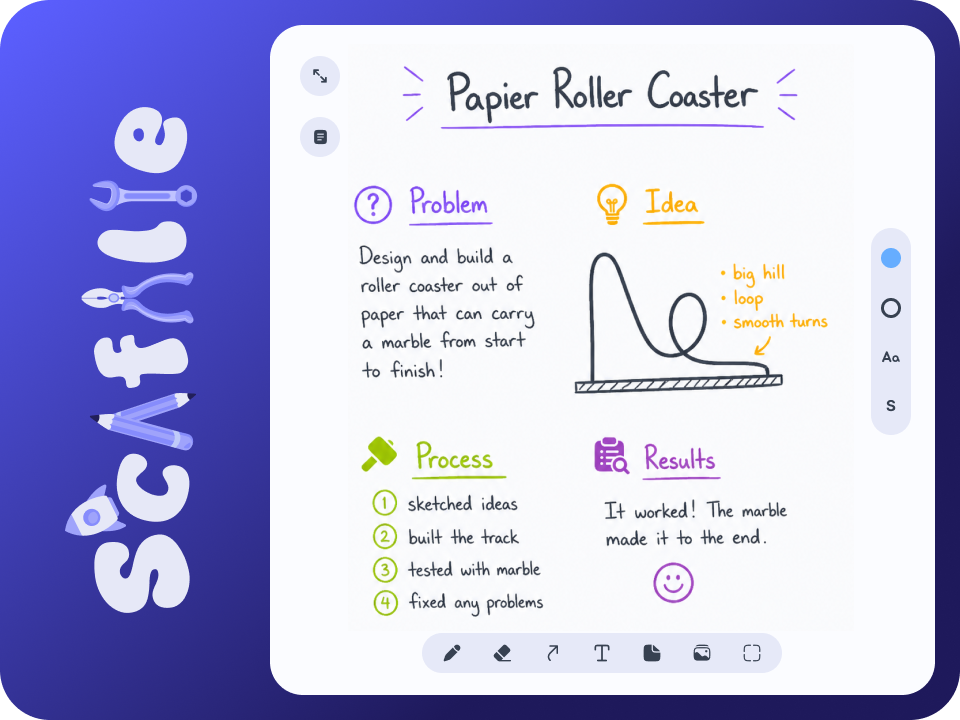
Problem statement
Researchers in primary school maker spaces currently lack a tool to structure classroom sessions, deliver scaffolds, and reliably capture how students interact with them. Existing solutions do not adequately support young learners (ages 9–11) in documenting projects through accessible, multimodal formats while simultaneously collecting interaction data. This gap makes it difficult to study how digital scaffolding influences inclusive STEM learning processes in real classroom environments.
Project Goal
Our goal was to develop a product that enables researchers to investigate equitable and inclusive STEM learning in primary school maker spaces by providing a digital platform that supports guided project documentation, captures meaningful interaction data, and enables structured classroom-based research with children.
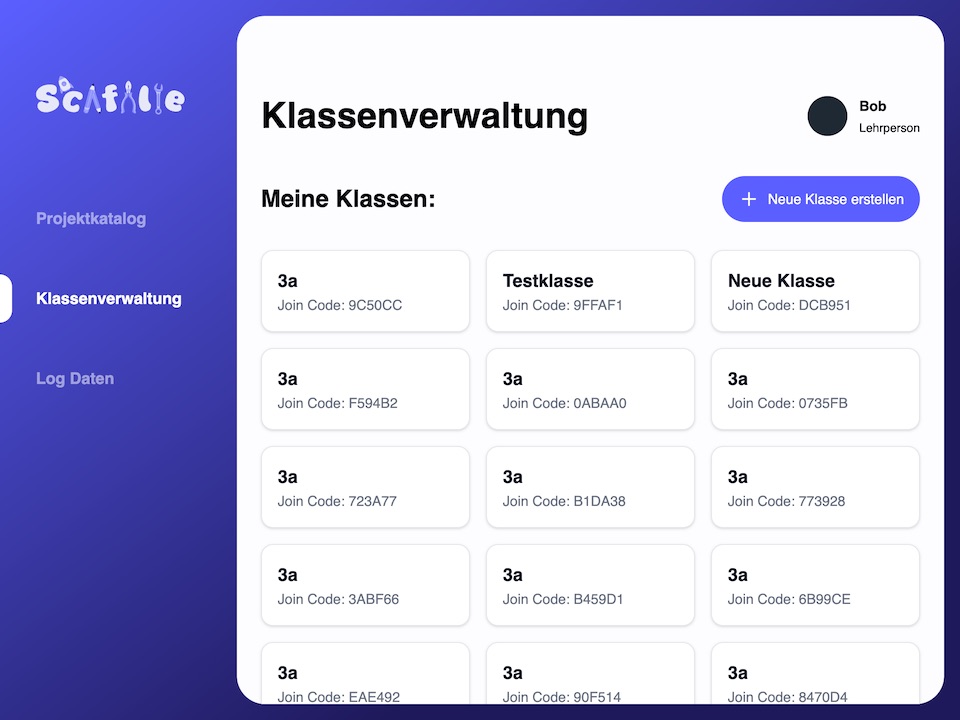
Teacher Class view
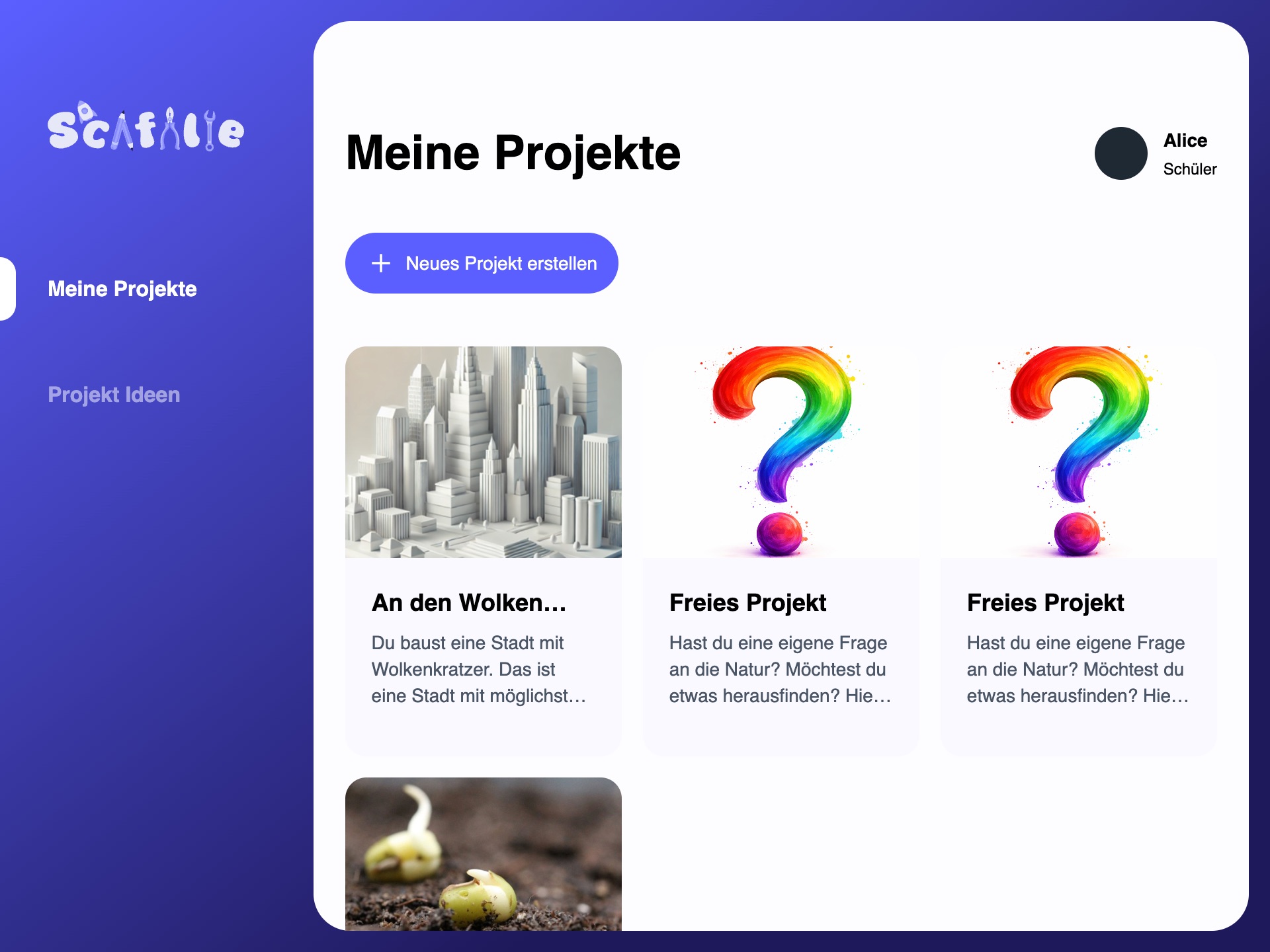
Student Project view
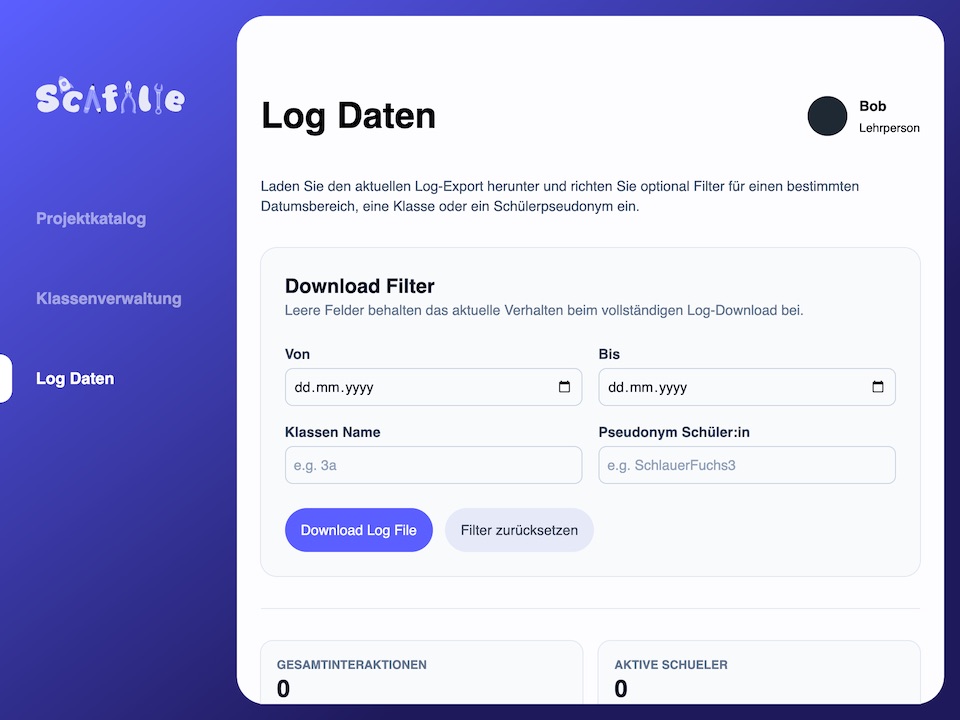
Log Data
Edit Template
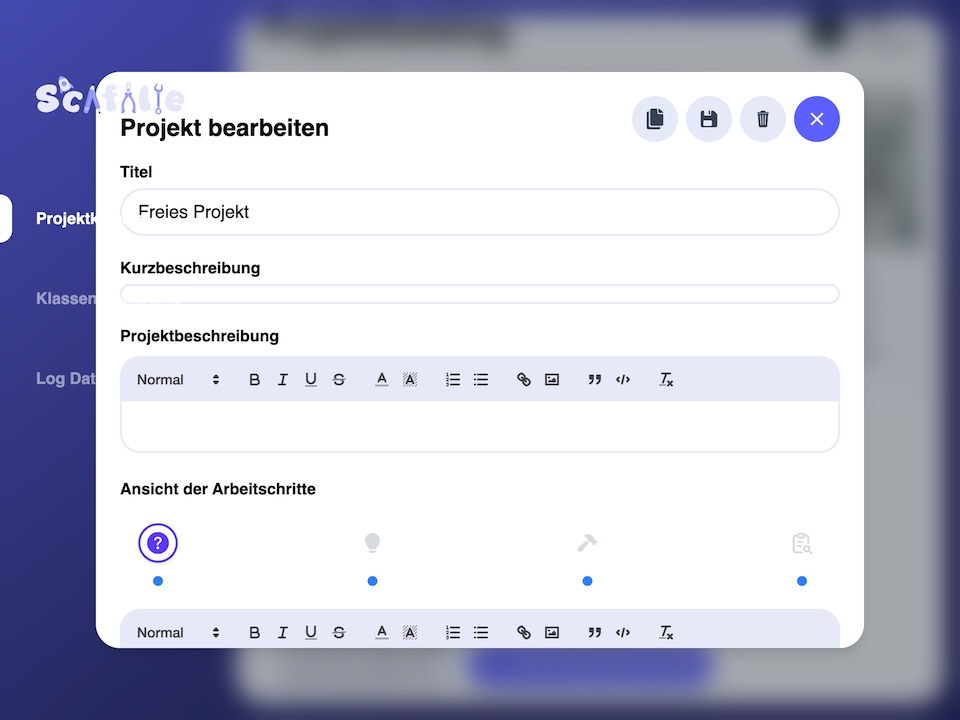
Project Description
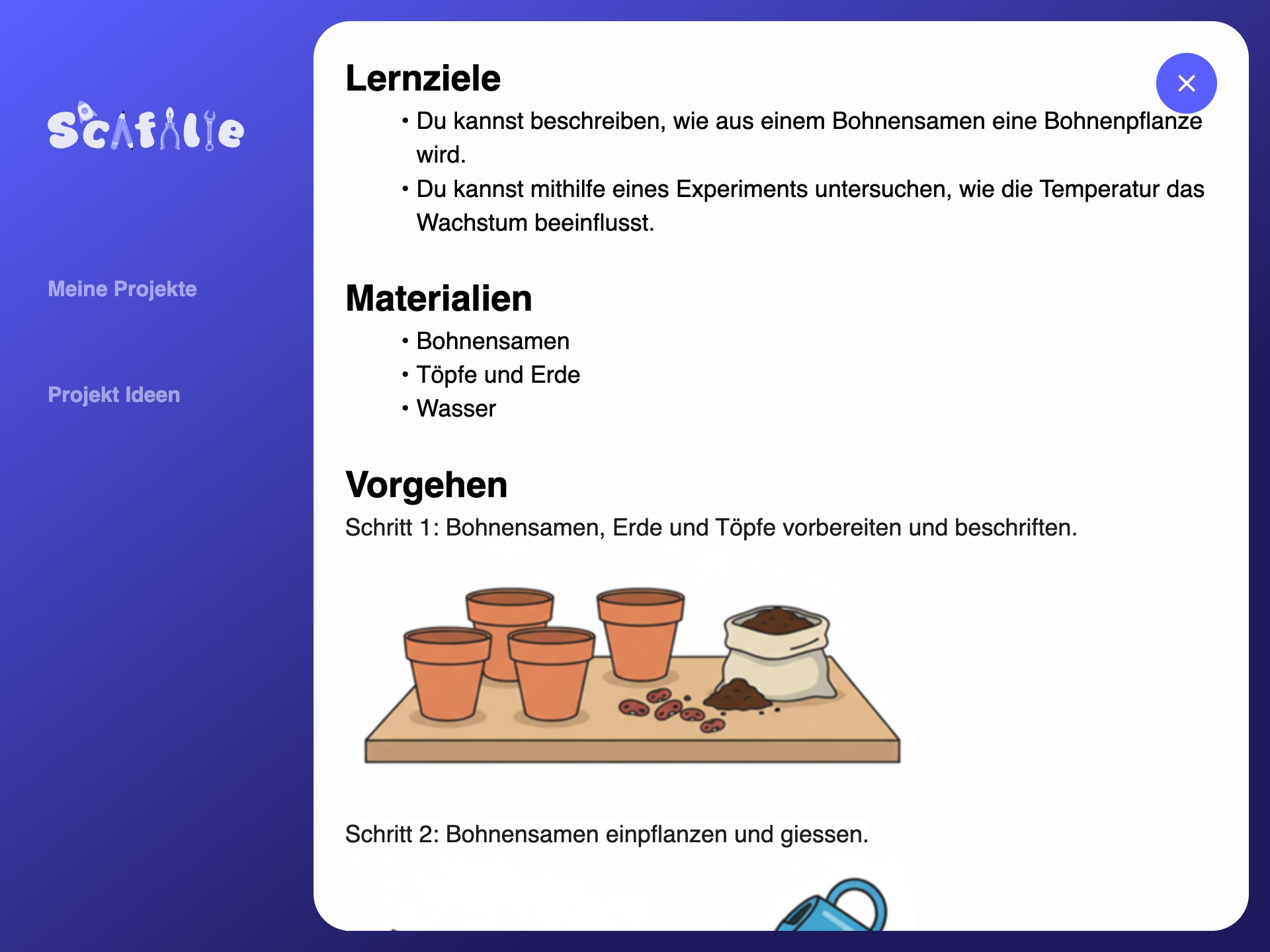
Project Documentation
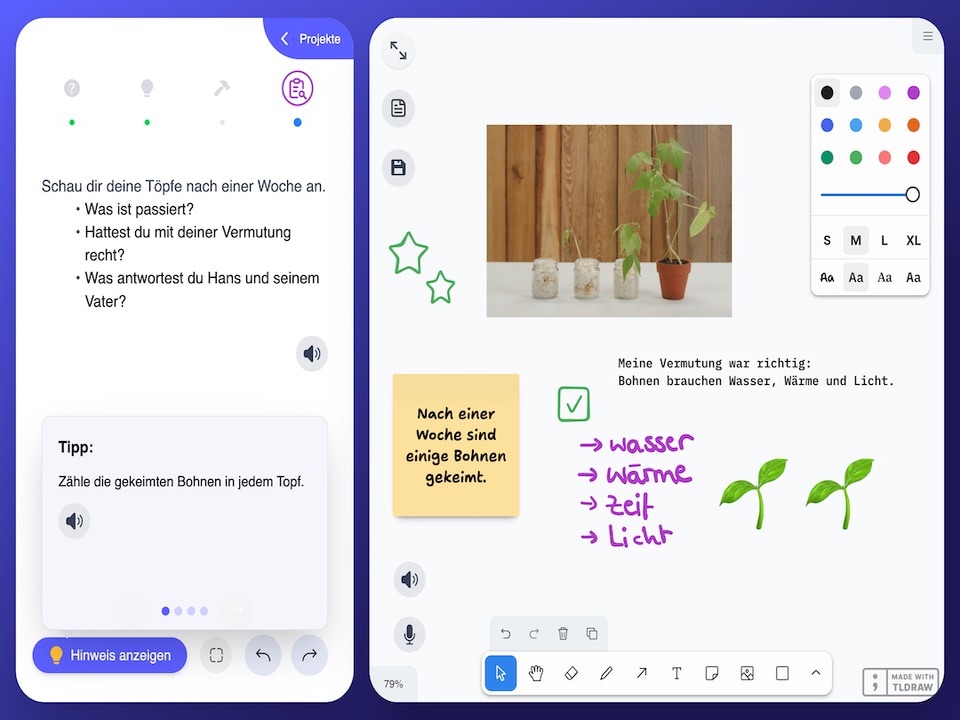
Developed Solution and its benefit
We developed a platform-independent, open-source web application optimized for tablet use in primary school classrooms. It is designed to support both students during hands-on maker activities and researchers conducting structured classroom studies.
- Multimodal Project Documentation: Students document their work using text, drawings, and images within an intuitive whiteboard interface tailored to their age group.
- Integrated Digital Scaffolds: Step-by-step guidance supports idea development, reflection, and structured documentation throughout the project process.
- Research Session Preparation: Researchers can configure classes, participants, and projects in advance for smooth and consistent study execution.
- Interaction Data Capture: The system logs how students use scaffolds, hints, and features, enabling detailed post-session analysis.
- Accessibility Features: Built-in speech-to-text and text-to-speech ensure inclusive participation for diverse learners.
- Classroom-Ready Deployment: Designed for repeated use in real educational settings with minimal setup effort.
By utilizing a modern tech stack with React for a responsive frontend and Java Spring Boot for a robust backend, Scafalle ensures high performance and scalability.
Testimonial
"Scafalle's digital learning scaffolds are designed to support primary school students in their inquiry-based and creative exploration of scientific and technical phenomena, while promoting the inclusion of all children in the classroom."
Dr. Marco Longhitano, Research Associate at FHNW University of Teacher Education
Key terms
- UX/UIFigma
- Programming LanguagesJavaScript, Java, SQL
- Frontend StackReact.js, Playwright, Vite
- Backend StackJava Spring Boot, Maven
- DatabasePostgreSQL
Customer
FHNW University of Teacher Education
 Dr. Marco Longhitano
Hofackerstrasse 30, 4132 Muttenz
Paedagogische Hochschule | FHNW
Team
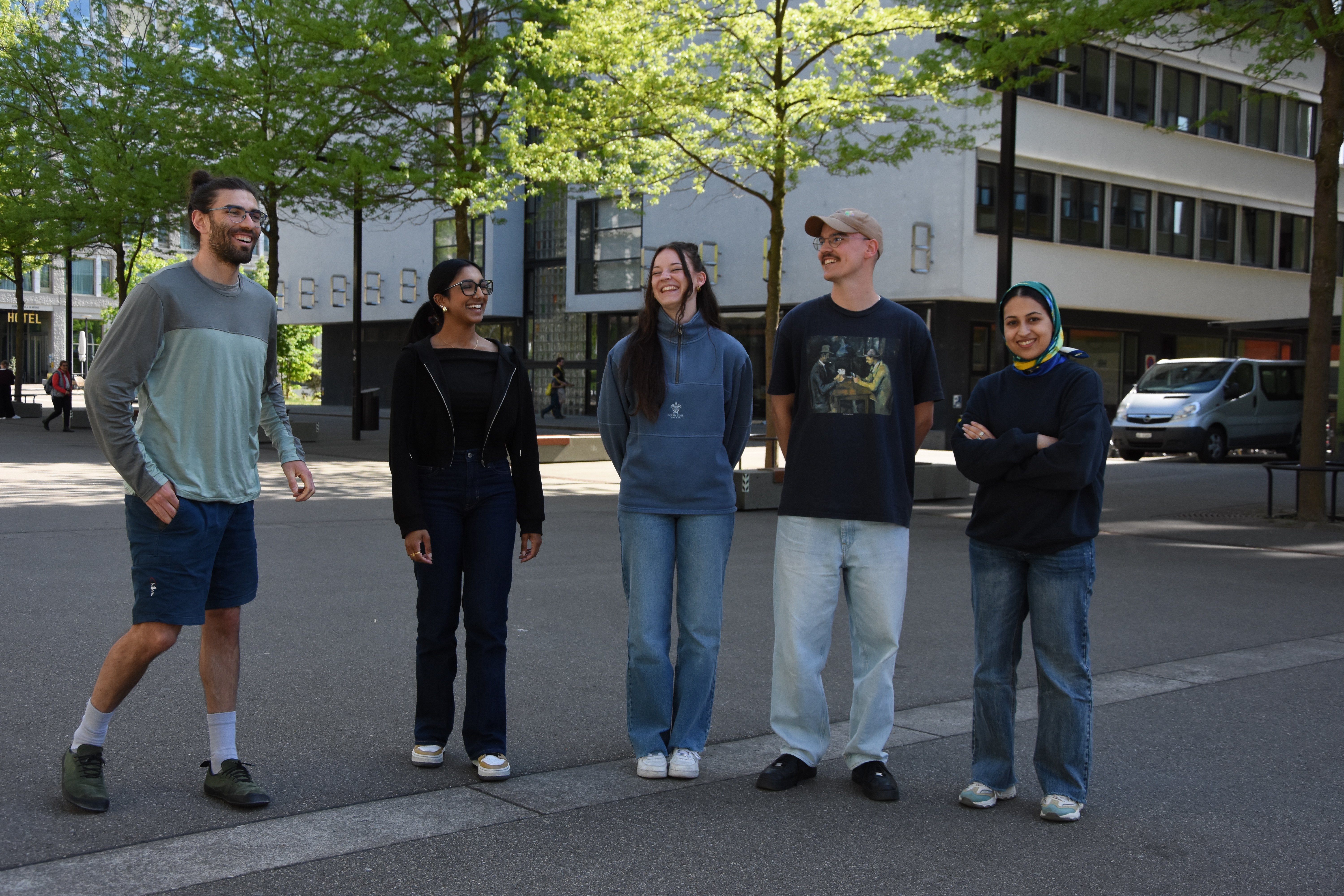
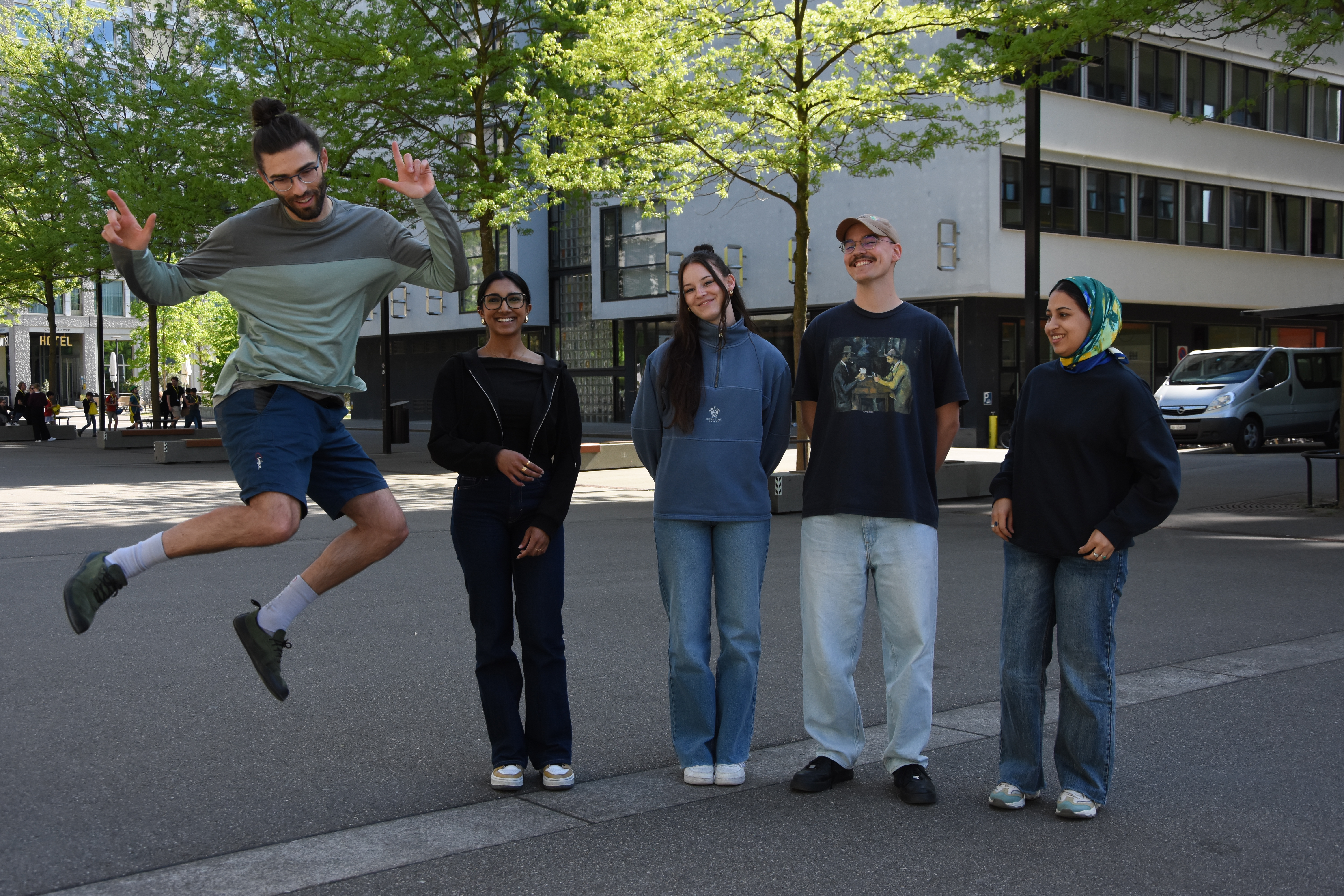
Team (from left to right)
Uriel Brawer
Larissa Tharshan
Jasmin Gyger
Ben Woodtli
Elham Sharifi
Lina Obertanner (not in the picture)
Account Manager
Sibylle Peter